When it comes to "being green", I think there are too many people in our country on either extreme of the issue. My goal is to find a place somewhere in the middle, where I can do more to be a better steward of this beautiful world God gave us, which He has called me to do as a Christian, but not to get so focused on the environment that it overshadows or ignores some very real needs that we face.
Today's guest post from Robert Jetter, Jr., I think, is very helpful in giving some simple, easy tips for ways we can be green in our kitchens. I will be on Robert's Blog Talk Radio program tonight at 8:30 EST if you'd like to listen in. If you are unavailable at that time but would like to hear it, you can listen later at your own convenience through the archives. More on that in his bio following this guest post.
Today’s families are becoming more environmentally conscious. Environmental principles can be included into the kitchen. There are three easy ways to be Green in the Kitchen. These simple ways are buying organic and locally grown foods, using energy star appliances, and composting. Below will describe how these easy ways are both good for you and the environment.
Buying organic and locally grown foods are both good for the environment and healthy for you. Organic foods have not been tainted with pesticides which can bio-accumulate inside the body which may cause future health issues. Also, organic grown foods are fed in more specific and natural processes that are particular to each type of fruit, vegetables, and meats such as feeding real grain to cows, and for plants manure and compost. This process also has a recycling aspect where the manure from the cows feeds the grain that will feed the cows. This creates a healthier animal and a healthier product free of chemicals such as hormones.
Organic grown foods are good for the environment by fewer chemicals such as synthetic fertilizers being introduced into the surrounding ecosystems through wind and runoff. Local foods carry benefits too. They are fresher and last longer due to the lack of “travel time” from places across the country or even the globe. These types of foods also do not require any preservatives to have a longer shelf life, making a more natural and healthy food.
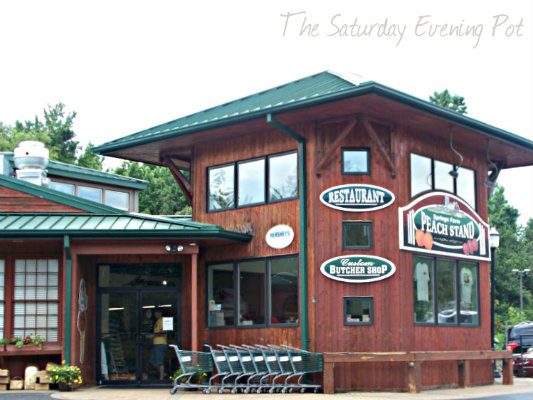
Foods bought locally are as good for the environment for obvious reasons. Less fuel used in product delivery is just one benefit. This lessens the amount of pollutants being put into the atmosphere and surrounding the ecosystem brought on by burning gas or diesel. People who grow their food locally are more apt to be better stewards of the land because unsafe gardening practices could harm their neighbors, families, and friends. Purchasing local foods also helps local economies. The money spent on foods help local farmers and businesses. Of course, the raw products must be cooked and that is where the kitchen appliances come into play.
Energy star appliances are another way a cook can be green in the kitchen. These appliances are more energy efficient than those without the certification. Energy is saved and that helps the consumers as well as the environment. Consumers are helped by the decreased cost in energy bills. This is especially true for those who do a lot of cooking. Energy efficient appliances help the environment by using less energy, thus less fuel used from sources such as coal power plants. Solar panels can also help in lessening the appliances’ impact on the environment. These panels can supplement a home’s energy supply from the power grid. This is usually more cost effective in a home a consumer plans to stay in for a long period of time or can add on the cost of the installation to the selling price of the home. Having a green kitchen doesn’t stop there.
The last step is the easiest step. Approximately 24% of the trash in landfills is either food or yard waste. About 15% of that is food. Here are some of the food items that can be put in a compost bin: fruit and vegetable scraps, coffee grounds, tea bags, and herbs.
Believe it or not you can even compost the paper towels you use for cooking clean ups. Composting can also save consumers money. The composted materials, when broken down, can be used as soil or fertilizer saving on garden costs.
I believe in a bottom up approach to Environmental Protection, Conservation, and Sustainability. Everyone who cooks can contribute to this new approach. Being Green in the Kitchen can be easier than you think. These three easy steps can help.
Robert Jetter, Jr has been an Environmentalist most of his life. His passion for the Environment began in his early 20's when he began his studies in Druidism. Robert has his Bachelor's Degree from Xavier University in Political Science, with minors in Peace Studies and Environmental Studies; graduating with honors. He has been following politics for 30 years and also has a deep interest in theology and philosophy. Currently, he is the Blog Talk Radio Host of Bards Logic Political Talk doing political analysis.
Robert discusses political topics Mondays, Tuesdays and Thursdays with a focus on Green Conservatism on Thursdays, promotes businesses on Wednesdays and airs re-runs of shows from the week on Fridays and Sundays.
Thanks, Robert, for this great information on being green in the kitchen! Some of your points I had never thought of before. I found this compost collector that looks like it would be great for those who'd like to start composting!

*
If you enjoyed this post, please consider leaving a comment (don't be a stranger!), subscribing (it's free!) to receive e-mail updates of future recipes, or sharing it with your family/friends: